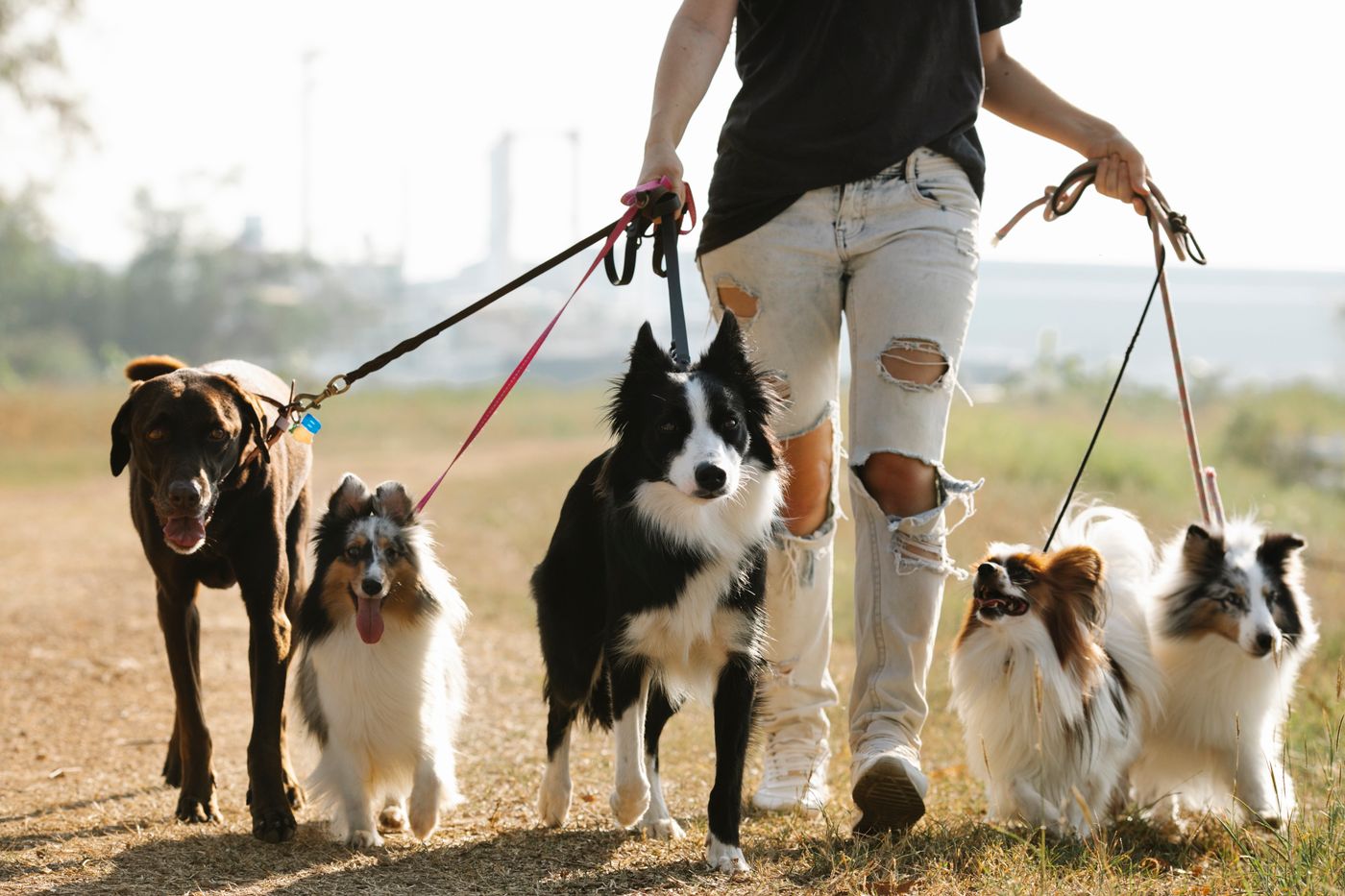
At the front door before a damp morning walk, clear buckles and a familiar fit keep the routine calmer for dog and owner.
Use the maker's measurement method, account for body shape, and observe movement rather than shopping by breed label.
The most useful choice is rarely the model with the longest feature list. It is the one that fits the place it will live, the person who will use it, and the maintenance they will realistically complete. Start by writing down the recurring frustration you want to remove.
What matters in daily use
Use these checks to narrow the field before comparing finishes, bundles, or limited-time promotions.
- Measure chest girth according to the size guide.
- Check that straps do not rub behind the legs.
- Recheck fit after coat or weight changes.
- Introduce the harness in short, positive sessions.
- Inspect stitching, buckles, and leash attachments often.
Confirm important specifications on the current manufacturer or retailer page. Materials, included parts, compatibility, and instructions can change without notice.
A scenario-based shortlist
These product types solve different versions of the problem. OH Newspaper has not physically tested the individual models linked below; the shortlist is a practical framework for further research.
adjustable Y-front harness
Best for: everyday walks with shoulder clearance.
Tradeoff to consider: multiple straps require careful initial fitting.
Explore current options ↗Retail search link; no tracked affiliate ID is active at publication.step-in harness
Best for: dogs comfortable stepping through openings.
Tradeoff to consider: does not suit every body shape or handling preference.
Explore current options ↗Retail search link; no tracked affiliate ID is active at publication.reflective walking harness
Best for: lower-light neighborhood walks.
Tradeoff to consider: reflective trim does not replace active lighting.
Explore current options ↗Retail search link; no tracked affiliate ID is active at publication.Think beyond the checkout
Purchase price is only one part of value. Consider storage, cleaning, replacement parts, consumables, charging space, return shipping, and the time required to keep the product working well. A slightly simpler item can be the better long-term buy when it is easier to use and maintain.
If fit, comfort, or color matters, preserve the packaging and tags until you have checked the item indoors. For installed products, read the return policy before drilling, cutting, washing, or discarding protective material.
Before you buy
Avoid relying on breed or weight alone for sizing, and do not use a harness as a substitute for secure handling and training.
Measure the product and the route it must travel, open, charge, dry, or store. Check who handles warranty service, what the return window excludes, and whether commonly replaced parts are readily available.
The bottom line
A good harness fits the individual dog, stays secure in motion, and remains simple enough to use consistently.
Choose the option whose limitations you understand and can live with. If a listing does not clearly explain dimensions, materials, essential compatibility, care, or return terms, keep researching.